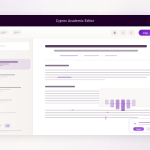
Sheyantong is easier to judge if we treat it as an academic workflow platform, not as a generic AI writer. On April 14, 2026, the official site at sheyantong.cn publicly positioned the product around foreign literature translation, empirical paper interpretation, academic writing, journal alerts, SSCI call-for-papers tracking, and even data-map drawing. That mix is most relevant for Chinese-speaking humanities and social science users who want one practical research hub instead of several disconnected tools.

The strongest reading-side value is the pairing of full-text foreign literature translation and empirical literature interpretation. That makes Sheyantong more useful than a plain translator for users whose real difficulty is understanding methods, variables, and result logic after the paper has been translated. If you are searching for an AI literature translation tool for social science reading or an empirical paper reading assistant, this is the part worth checking first.


The writing side is more useful when treated as assisted drafting rather than automatic scholarship. Sheyantong’s public academic-writing positioning looks practical for outline cleanup, paragraph restructuring, and turning notes into a first draft, but users still need to control citations, claims, and disciplinary tone themselves. Around that core, the site also exposes journal alerts, a public social science literature feed, and a dedicated SSCI call-for-papers page, which gives the platform more decision value for graduate students and early-career researchers.


The public data-map page is another concrete differentiator. It shows that Sheyantong is not only text-centric; it also offers a lightweight research-output helper for regional visualization. It will not replace full analysis or visualization software, but it can still help users who need a quick China data map generator during paper drafting or presentation preparation.

Our grounded judgment is that Sheyantong is most worth trying for Chinese-speaking humanities and social science users who want one workflow for reading papers, drafting academic text, tracking journals, scanning calls for papers, and occasionally building a simple visual output. It is less suitable for users who need a fully English-native interface, a dedicated citation manager, or deep quantitative analysis software.