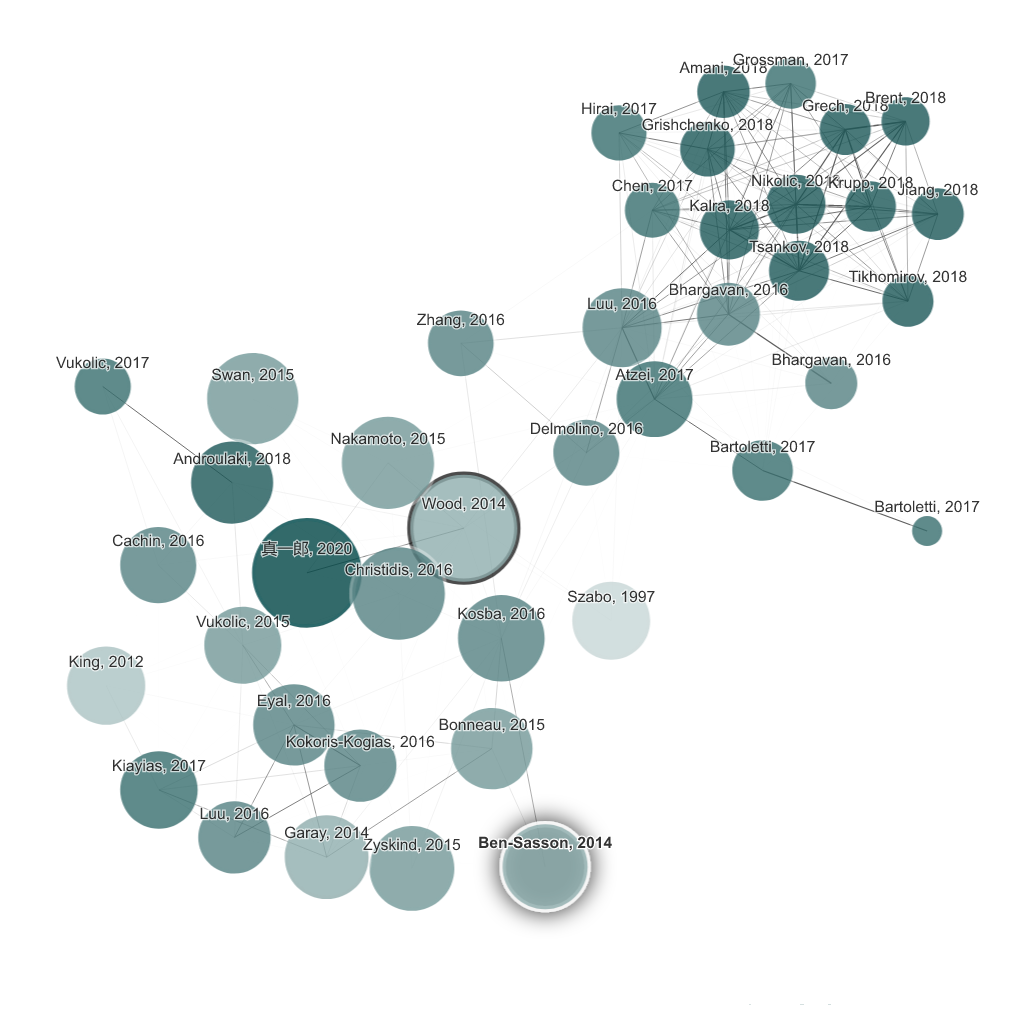
Connected Papers is most useful when your real problem is orientation, not access. Many researchers and students can already search for papers, but they still struggle to understand how a field is shaped, which papers cluster together, and where to start reading beyond a few obvious results. The official homepage frames the product as a visual graph, and that framing is exactly right. This is not mainly an academic search box. It is a paper discovery graph for researchers who want to see a field’s structure faster and build a more deliberate reading path from one good seed paper.

The methodological explanation on the official About page is one of the reasons the tool earns trust. Connected Papers explicitly says it is not a citation tree. Instead, it builds similarity relationships using ideas like co-citation and bibliographic coupling, then arranges papers in a force-directed graph. That distinction matters a lot. Users searching for a visual literature exploration tool can easily assume every line means direct citation, but that is not what this graph is for. Its value is that it can pull related papers close together even when they do not cite each other directly. In practice, that makes it more useful for topic mapping than a simple lineage chart.

The graph view is where Connected Papers becomes genuinely useful. Starting from one origin paper, the interface reveals related nodes visually instead of forcing you to infer the field from titles alone. For literature review work, that makes a big difference. You can notice clusters, nearby concepts, and unexpected adjacent works much faster than in a flat results list. This is especially useful when you are entering a new subfield, refining a thesis bibliography, or trying to avoid missing an influential neighboring paper. For people searching for a research paper graph or similar papers graph, this is the feature that justifies the tool.

The official product pages also highlight Prior Works and Derivative Works, and those two views are more useful than they sound. Prior Works helps surface important ancestor papers in the area, while Derivative Works helps you move toward reviews, follow-up papers, and newer state-of-the-art directions. That is practical because literature review is rarely only about finding papers that look similar right now. Often you need both the deeper foundations and the more recent outcomes. A Connected Papers prior works workflow and derivative works workflow can save a lot of time if your seed paper is well chosen.

Another good detail is the List view. A graph is excellent for orientation, but it is not always the best format when you want to compare titles, citations, years, and similarity in a more systematic way. The official list mode solves that problem by giving users a more traditional reading queue with downloadable structure. That makes Connected Papers more practical for thesis writing, team literature scans, and any workflow where visual discovery eventually needs to become an ordered shortlist. This graph-to-list transition is one of the reasons the tool feels usable rather than purely impressive.

The pricing page adds one practical boundary that users should know before depending on the service heavily. The official free plan allows 5 graphs per month, while the paid plans unlock unlimited graphs for academic or business use. That limit is not just a pricing detail. It shapes how suitable the tool is for occasional literature checks versus full-scale review work. If you only need a few targeted explorations, the free tier may be enough. If you plan to use Connected Papers regularly across many topics, the graph limit becomes part of the real decision.

Our grounded take is that Connected Papers is best for researchers, graduate students, and serious readers who already know enough to choose a good seed paper but need help seeing the surrounding landscape. It is weaker for people who want full-text explanations, PDF annotation, reference management, or exhaustive keyword search as a primary workflow. In other words, it is a strong map, not a full research operating system. Used that way, it can be a very effective literature review aid and bibliography discovery tool. Used with unrealistic expectations, it can feel narrower than it really is.