
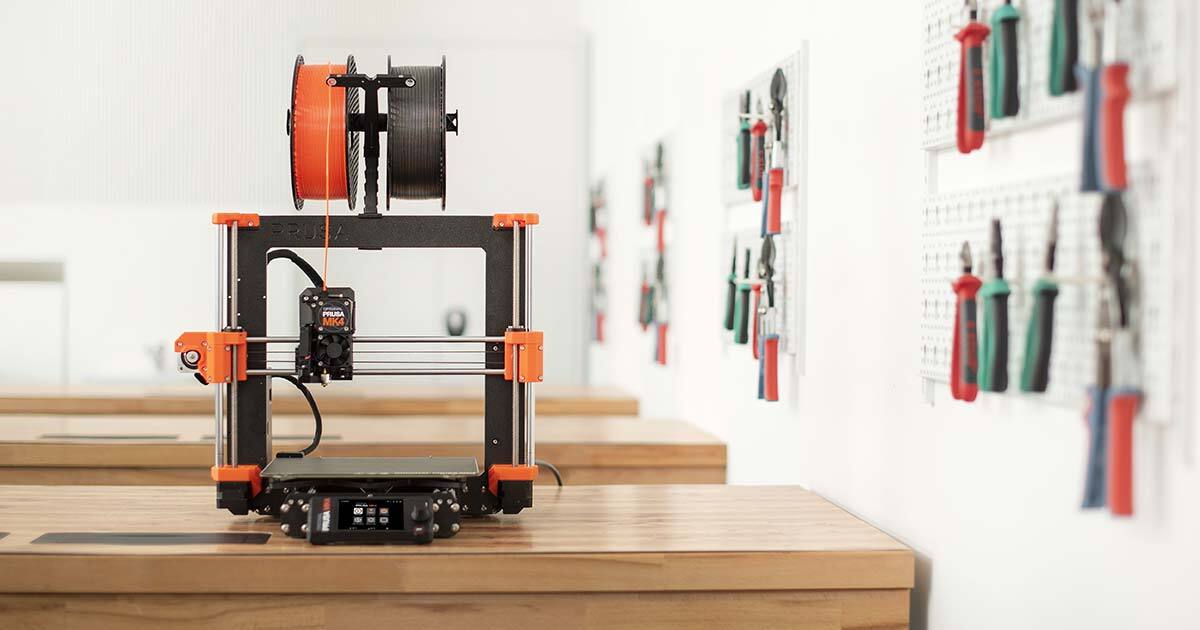
PrusaSlicer
Category PC Essentials
Published 2026-03-31

Overview

This section highlights the core features, use cases, and supporting notes.

PrusaSlicer is a 3D-print slicing tool for users who want dependable print preparation, detailed control, and a workflow that takes real printer settings seriously. Its importance is practical: the model is only part of the job, and a good slicer decides whether that model becomes a usable print instead of wasted material and time.

PrusaSlicer matters because 3D printing success is often decided before the printer starts. Layer height, supports, infill, material behavior, and print preview all shape whether a model turns into a clean result or a frustrating failure.

It suits hobbyists, makers, and regular 3D-print users who want more than a one-click export button. If you print often, change materials, or care about support quality and slicing control, the tool becomes much more valuable.

The reason to keep it is maturity in the slicing stage. Good presets, preview clarity, support handling, and practical parameter control help users make fewer bad print decisions before material and machine time are wasted.

The tradeoff is that slicing software has a learning curve. A richer settings system can feel intimidating if you only want the fastest possible start. The better expectation is a serious preparation tool that rewards gradual understanding rather than instant mastery.

This site recommends PrusaSlicer for users who plan to print repeatedly and care about output quality. Start with a simple model and an appropriate printer profile, then judge the tool by whether preview and parameter control make your print outcomes easier to trust.

Setup / Usage Guide

Installation steps, usage guidance, and common notes are maintained here.

  1. Download PrusaSlicer from the official site. Use the official Windows release so printer profiles and updates come from the normal maintained source.
  2. Install it and choose the closest printer profile during first setup. A sensible profile matters more than any advanced tweak at the beginning.
  3. Select the material and print-quality preset that matches your actual job. Starting from a realistic baseline is better than editing dozens of settings blindly.
  4. Import one simple model first. This keeps your evaluation focused on the slicing workflow instead of burying you in model-specific complexity.
  5. Study the preview before exporting anything. Layer view, supports, seams, and estimated print time are where many mistakes become visible early.
  6. Adjust only the settings that solve a known problem. Change support density, infill, or layer height with a reason, not because every setting looks important.
  7. Export G-code only after the preview makes sense. The slicer is your last checkpoint before material and machine time are spent.
  8. Keep notes on which profiles actually work for your printer. PrusaSlicer becomes more valuable over time when your successful settings turn into a reusable workflow.

Related Software

Keep exploring similar software and related tools.