Overview

This section highlights the core features, use cases, and supporting notes.

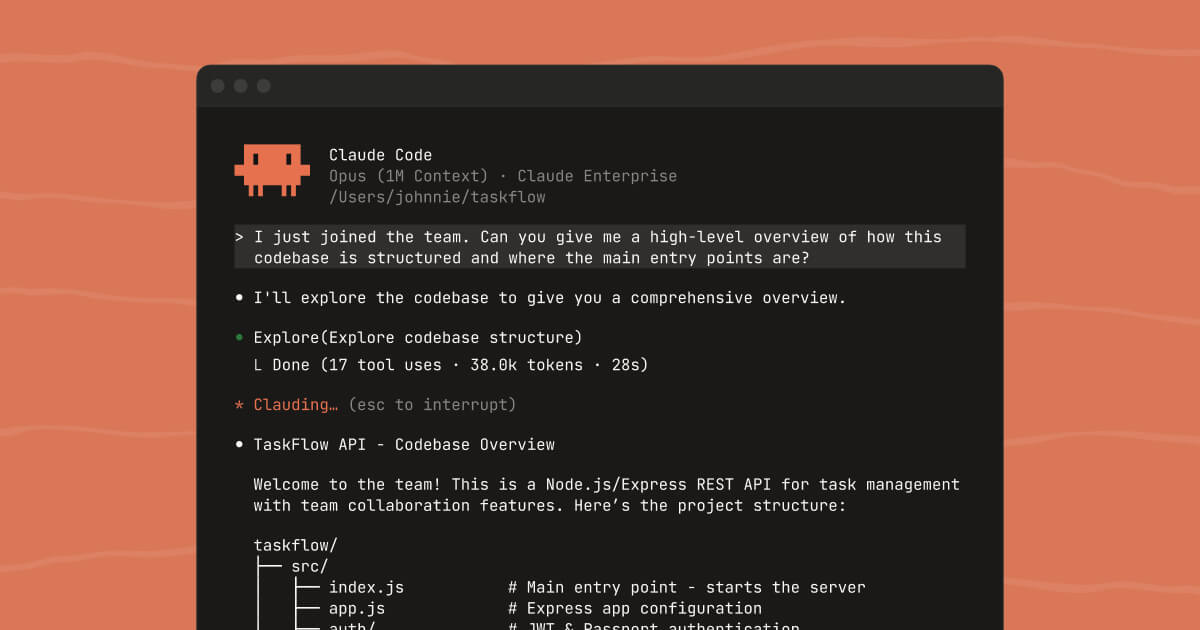
Claude Code is a terminal-first AI coding agent built for developers who want real repository work, not another chat box about code. It is strongest when you need to inspect an unfamiliar codebase, plan multi-file changes, run commands, and turn a vague engineering task into a reviewable implementation.

Claude Code feels different from IDE-side AI assistants because its natural home is the terminal and the real working repo. Instead of only suggesting snippets, it can read project structure, search files, edit across modules, run tests, and help you move through a task with less context switching. That makes it especially attractive for backend work, large refactors, dependency upgrades, and bug hunts that require more than one clever completion.

From a product-selection standpoint, Claude Code is a strong choice for developers searching for the best AI coding agent for existing codebases. It is not the flashiest option if you only care about instant autocomplete, but it is one of the more convincing tools for serious engineering tasks where planning, caution, and readable changes matter. In practical use, it works best when you give it clear scope, local commands, and a definition of done.

Our recommendation is simple: use Claude Code for repo-level tasks, not as a blind autopilot. Start with one concrete issue, tell it how you validate success, and keep tests in the loop. Teams that want an AI pair programmer for debugging, refactoring, and documentation work will usually get more value from Claude Code than teams that only want faster line-by-line suggestions.


Setup / Usage Guide

Installation steps, usage guidance, and common notes are maintained here.

If you want to use Claude Code well, start with a task that has boundaries. Good first tasks include fixing a failing test, refactoring one service, tracing a bug across a few files, or adding documentation to an existing module. Ask it to inspect the repository first, then request a short plan before any edits happen.

The most effective workflow is to provide context that a human teammate would also need: which commands to run, which directories matter, what must not change, and how you want success checked. This is where Claude Code becomes much more useful than a generic AI chatbot, because it can combine file inspection, command execution, and multi-step reasoning inside a real development flow.

For production work, keep a human review gate. Use Claude Code to prepare diffs, draft tests, explain risky files, and speed up repetitive engineering work, but still review architecture decisions, security-sensitive logic, and edge cases yourself. Developers searching for how to use Claude Code for large refactors or repository-aware debugging will get the best results when they treat it as a disciplined coding agent, not a magic answer generator.

Related Software

Keep exploring similar software and related tools.