Overview

This section highlights the core features, use cases, and supporting notes.

DevChat is an AI coding assistant built around a familiar developer need: keeping code questions, implementation help, and project-oriented conversation closer to the real coding environment instead of scattering the workflow across browser tabs and disconnected chat windows. It suits developers who want AI to stay near the IDE and the active repository.

Its value is workflow continuity more than novelty. If you regularly jump between editor, docs, issue tracker, and chatbot just to finish one coding task, a tool in this category can reduce that friction by bringing guidance and generation back into the development loop.

DevChat is easiest to understand as an AI coding tool that tries to reduce context switching. Many developers already have access to code-capable models, but the real slowdown comes from constantly leaving the editor, re-explaining context, and rebuilding momentum for each question. DevChat’s product direction points at that exact gap.

That makes it relevant for developers working on live codebases rather than toy prompts. If your work includes understanding unfamiliar modules, drafting implementation ideas, reviewing code intent, or iterating on changes while staying inside a development environment, this kind of integration can be more helpful than a generic browser chatbot.

What makes DevChat worth watching is not just that it can answer coding questions, but that it aims to keep those answers tied to development flow. For many users, the best AI coding assistant is not the one with the fanciest demo but the one that interrupts focus the least.

The tradeoff is that tool quality still depends on setup, model behavior, and how carefully you review the output. Aidown’s judgment is that DevChat is a useful AI coding direction for developers who want help inside the workflow, but it should be used as an accelerator for judgment, not a substitute for code review and architectural thinking.

Setup / Usage Guide

Installation steps, usage guidance, and common notes are maintained here.

1. Start from the official DevChat entry and look for the supported installation path for your editor or development environment.
2. Before connecting it to an important project, test the installation in a smaller workspace so you can understand the prompts, permissions, and model behavior without pressure.
3. Sign in or complete any required setup steps, then confirm that the assistant can actually see the files or context it is supposed to work with.
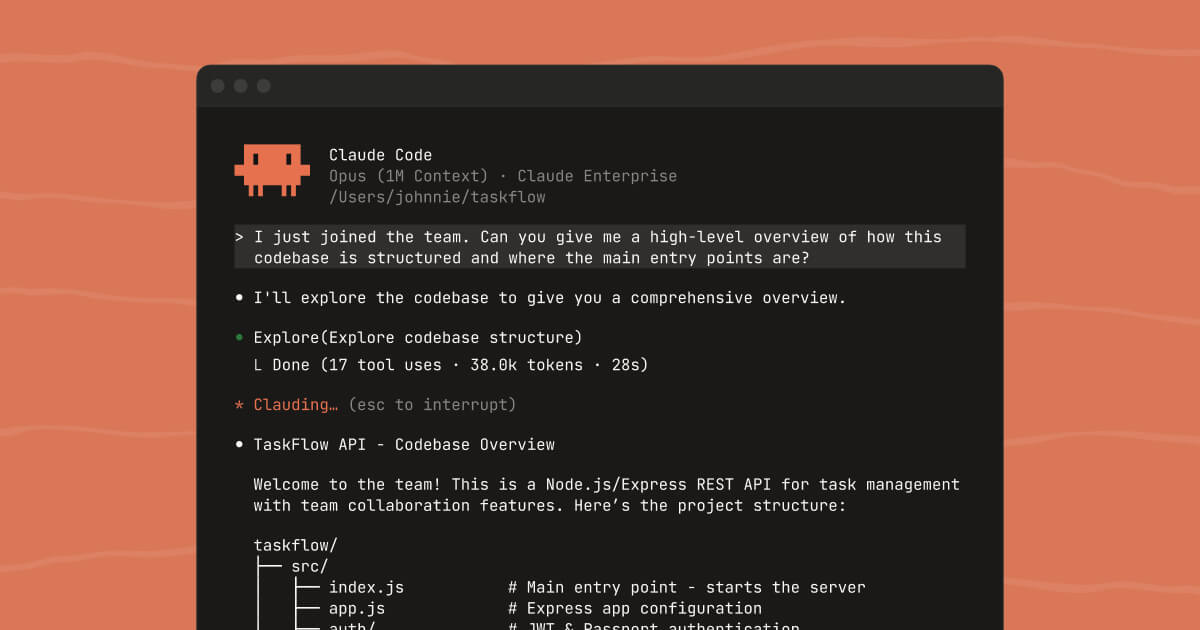
4. Use it first for explanation and navigation tasks, such as understanding a function, tracing a module, or summarizing a code path. This is a safer way to judge usefulness than jumping directly into code generation.
5. Move on to narrowly scoped implementation tasks, like writing a helper, refining a query, or proposing a small refactor inside a known file.
6. Keep your prompts file-specific and goal-specific. AI coding tools become much more useful when the request is grounded in a real task instead of a vague request to "improve everything."
7. Review every generated change before accepting it, especially around dependencies, error handling, and project conventions.
8. Avoid exposing secrets, tokens, or sensitive production details unless you fully understand the environment and data path involved.
9. Compare the assistant's output against your team's actual standards instead of judging it only by whether the first answer looks convincing.
10. Keep future updates tied to the official DevChat channels, and treat the tool as a development copilot for focused tasks rather than an autonomous replacement for engineering discipline.

Related Software

Keep exploring similar software and related tools.