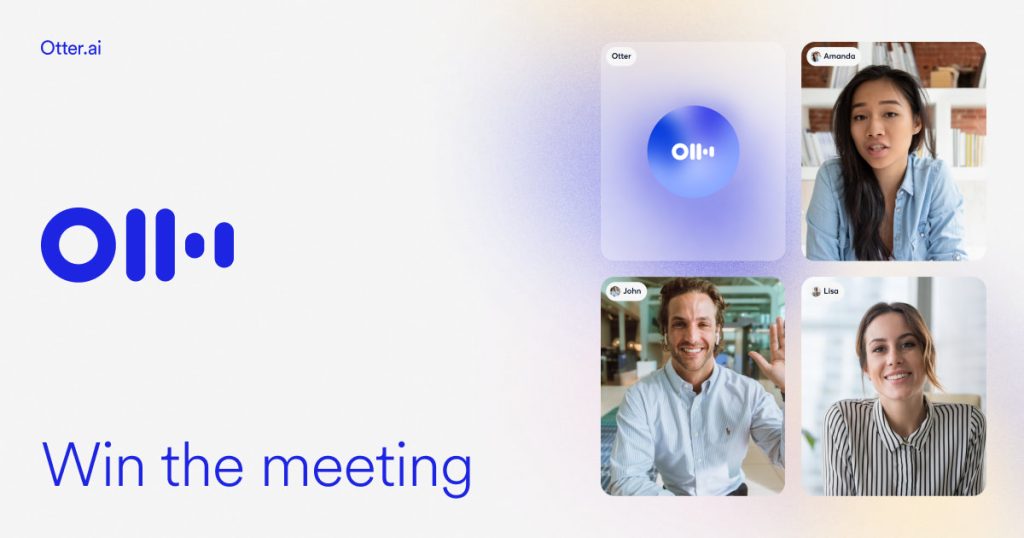
The current English page for Otter.ai needs a fuller rewrite because the official materials checked on April 21, 2026 show a product with a much clearer role than a short transcription label suggests. Otter.ai is most useful when it is judged as a meeting documentation and follow-up workflow tool instead of as only a recorder that turns speech into text.

The main Otter page still presents the product as a meeting agent and note-taking assistant, and that framing is important. Many users do not need one more transcript file. They need something that helps them recover key points and decisions after meetings without starting over from scratch.

The AI notes page matters because searchable and reusable meeting notes are one of the clearest reasons to keep Otter. This is where the product starts to move beyond plain speech capture and toward actual post-meeting usefulness.

The meeting-agent page matters because Otter is increasingly positioned as a tool that helps during and after meetings, not only after the recording is finished. That wider role is what makes it worth evaluating for regular work instead of occasional one-off use.

The AI chat page matters because meeting content becomes easier to reuse when users can ask for details instead of manually rereading long note sets. This helps Otter feel more like a practical assistant and less like a passive archive.

The integrations page matters because meeting tools are only valuable when they work inside real habits. If Otter cannot connect to the apps and processes a team already uses, it quickly becomes extra overhead instead of help.

The desktop page is practical because many readers will first try Otter on the same computer they use for work calls. That makes the desktop route more useful than a vague product promise with no clear starting point.

The pricing page matters because meeting tools often begin with one user and then spread across a team if they work well. That makes plan visibility part of the product decision earlier than many users expect.

The sales page matters because customer-facing calls are one of the easiest places to see Otter’s real value. Missed details and weak follow-up cost more there than in a casual internal call.

The education page broadens the judgment by showing that Otter is not only about office work. Lecture notes, real-time class support, and later review are strong examples of where searchable notes matter more than perfect formatting.

The media page matters because interviews are one of the clearest real-world examples of why teams want better search, summaries, and note recovery instead of just a raw transcript dump.
Our grounded judgment is that Otter.ai is strongest for readers who spend real time in meetings and want notes that remain useful after the meeting ends. It is weaker for readers who rarely meet, who do not want cloud-linked meeting records, or who only need a tiny offline transcription utility. Judged on the official materials available on April 21, 2026, Otter.ai still deserves to be recommended as a meeting follow-up and documentation tool, not as a generic transcript app.