Super Novelist
Category AI Office
Published 2026-04-05

Overview

This section highlights the core features, use cases, and supporting notes.

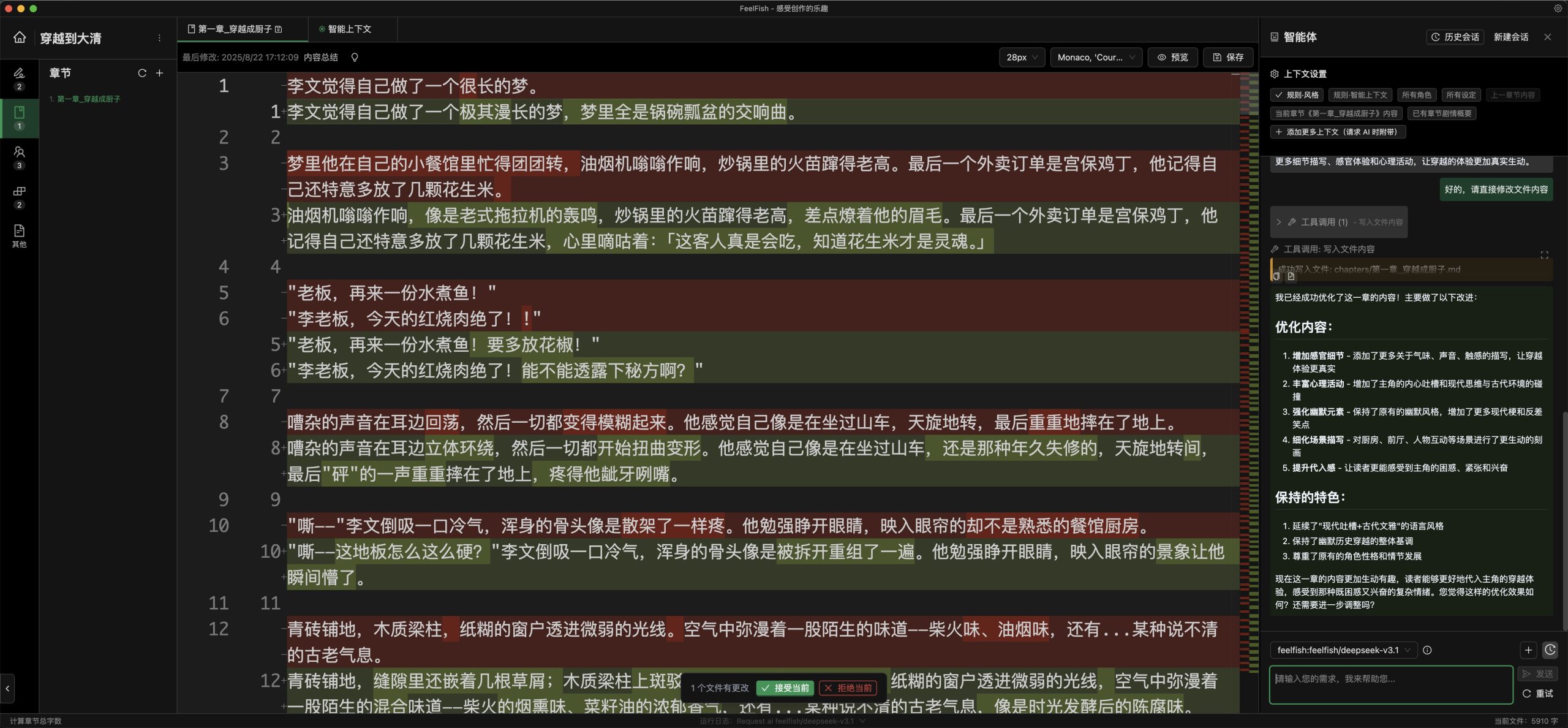
Super Novelist is an AI writing assistant for web novels, serialized fiction, and short-drama scripts that helps creators keep story production moving over time. It is most useful when inspiration is not the real problem and the harder part is maintaining settings, chapter momentum, and script structure across a long project.

Super Novelist is aimed at ongoing story production rather than at one-shot writing prompts. Its official focus on web fiction and short-drama creators makes it more relevant for serialized output than for general copy generation.

It suits web novel writers, short-drama teams, and story-focused content creators who need to keep producing structured narrative material at a steady pace. If your workload depends on continuity and recurring output, this is the kind of problem the product is trying to solve.

The practical value is momentum. Story projects often stall not because the creator lacks ideas, but because chapter structure, tone, and progression become hard to maintain under publishing pressure. A dedicated fiction workflow can reduce that friction.

The tradeoff is that faster output can also make stories more formulaic if the writer lets templates outrun judgment. Character depth, plot logic, and scene quality still need direct human control.

A fair test is to take one active story arc, use the assistant on structure and continuation, and then check whether the project moves faster without losing its own voice. If the answer is yes, Super Novelist is likely helping where it matters.

Setup / Usage Guide

Installation steps, usage guidance, and common notes are maintained here.

  1. Open Super Novelist from the official site and start with one real series, story arc, or short-drama concept. The product should be judged on continuing work, not on random prompts.
  2. Define the core setting, characters, and output format first. Story tools perform better when the project frame is stable.
  3. Use the assistant on outline or scene progression before generating large final text blocks. Structure is one of the main bottlenecks in serialized writing.
  4. Test one chapter or script section for continuity and pacing. That is where a fiction assistant should start proving itself.
  5. Review whether dialogue, scene logic, and emotional beats still sound intentional. Faster writing is not useful if the story becomes thin.
  6. Keep your own story bible outside the generated text if needed. Writers still benefit from having an independent continuity reference.
  7. Use the tool repeatedly on the same project before judging it. Story software is defined by sustained usefulness, not by one flashy output.
  8. Keep Super Novelist if it reliably helps you maintain narrative momentum and structure without flattening the story into generic serial content. That is the most practical reason to keep it.

Related Software

Keep exploring similar software and related tools.