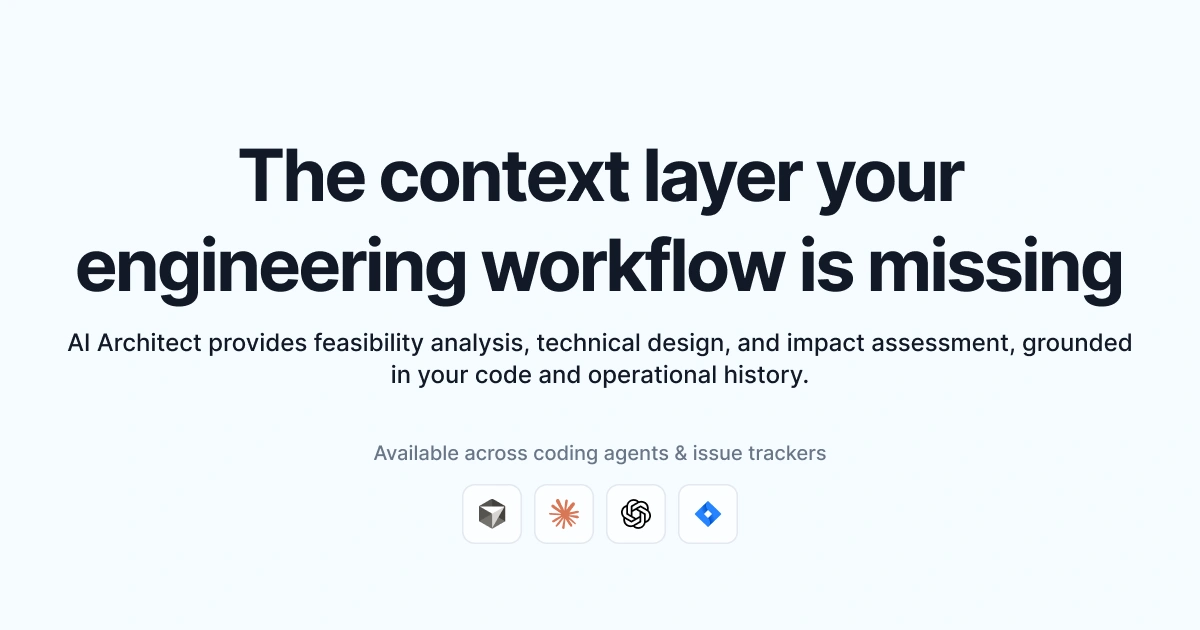
Bito matters because engineering friction often comes from context gaps, not from typing speed alone. The official product positioning now centers on an AI Architect that builds a knowledge graph of your codebase and operational history, plus AI code reviews in Git and IDEs, which makes it much more workflow-aware than a generic coding assistant.
It suits developers, reviewers, tech leads, and teams maintaining active repositories with frequent pull requests, legacy context, and cross-file reasoning demands. If your work includes reviewing other people’s changes and understanding system impact, the platform’s direction is far more relevant than simple autocomplete.
What makes Bito worth attention is its focus on review and shared engineering understanding. Pull request summaries, codebase-aware suggestions, and feasibility-oriented context can reduce the time teams spend reconstructing what changed and why it matters.
The tradeoff is that AI review support is still not the same thing as engineering accountability. Security, architecture, test adequacy, and edge-case reasoning still require human judgment. The right expectation is faster, better-informed review work, not a replacement for responsible code ownership.
This site recommends Bito for teams whose development process already depends on pull requests, repository history, and ongoing collaboration. If review quality and engineering context matter more than flashy one-off code generation, this is a stronger fit.