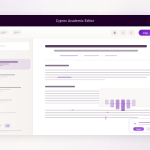
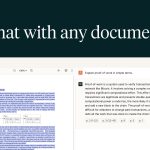
PDF.ai is most useful when it is judged as a document question-answering and PDF workflow platform instead of as a classic PDF editor. The official homepage, privacy policy, Chrome extension page, and official resource articles checked on April 18, 2026 show a product built around chatting with PDFs, getting summaries, finding answers, sharing documents, handling multiple PDFs, and embedding document chat into other workflows. That positioning matters because PDF.ai's own materials do not focus on page layout editing or heavy offline annotation. The homepage says users can ask questions, get summaries, and find answers in any PDF, while the product title also calls out a PDF API for parse, extract, and split workflows. The resource center then fills in the operational picture with official guides for uploading documents, accessing all files, sharing PDFs, starting chats quickly, using a Chrome extension, working across many PDFs, and embedding a PDF with an AI chatbot. What keeps PDF.ai worth considering is that it combines direct document chat with workflow surfaces that go beyond one isolated file. The Chrome extension helps meet documents in the browser, the multi-document article shows retrieval across a wider file set, and the embed guide hints at customer-facing or site-facing document chat use cases. The privacy policy also matters because users may upload contracts, reports, handbooks, or other files that carry real sensitivity. Our grounded judgment is that PDF.ai is strongest for users who regularly need to ask questions of PDFs, summarize long files, search across document collections, or expose document chat inside broader workflows. It is weaker for users who mainly need offline PDF editing, pixel-level markup, or a traditional desktop PDF tool. PDF.ai looks most defensible when the real problem is document understanding and retrieval, because that is where its official product surfaces stay coherent.