OpenCode
Category AI Coding
Published 2026-04-05

Overview

This section highlights the core features, use cases, and supporting notes.

OpenCode is an open source AI coding agent for developers who want AI help inside real project work instead of isolated demo prompts. It is most useful when coding tasks involve understanding a repository, using the terminal, and making changes with full project context rather than generating a few disconnected snippets.

OpenCode is interesting because it is framed as an open source coding agent, not just a code completion toy. That matters for developers who need something closer to real project work than to one-off chatbot coding sessions.

It suits developers working in active repositories where terminal commands, context gathering, and code changes need to happen together. If your daily work depends on reading a codebase before editing it, OpenCode is aimed at that reality.

The value is workflow realism. Many AI coding tools look strong on short examples but lose usefulness when the task spans multiple files and depends on repository context. A coding agent built for actual development loops can save time in a more meaningful way.

The tradeoff is that open source coding agents still need careful supervision. Generated changes, command execution, and code understanding can all go wrong if the developer stops reviewing outputs critically.

A fair first test is to run OpenCode on one contained task in a real repository and compare how well it gathers context, proposes changes, and stays aligned with the project. If it behaves like a useful teammate rather than a code toy, it is worth attention.
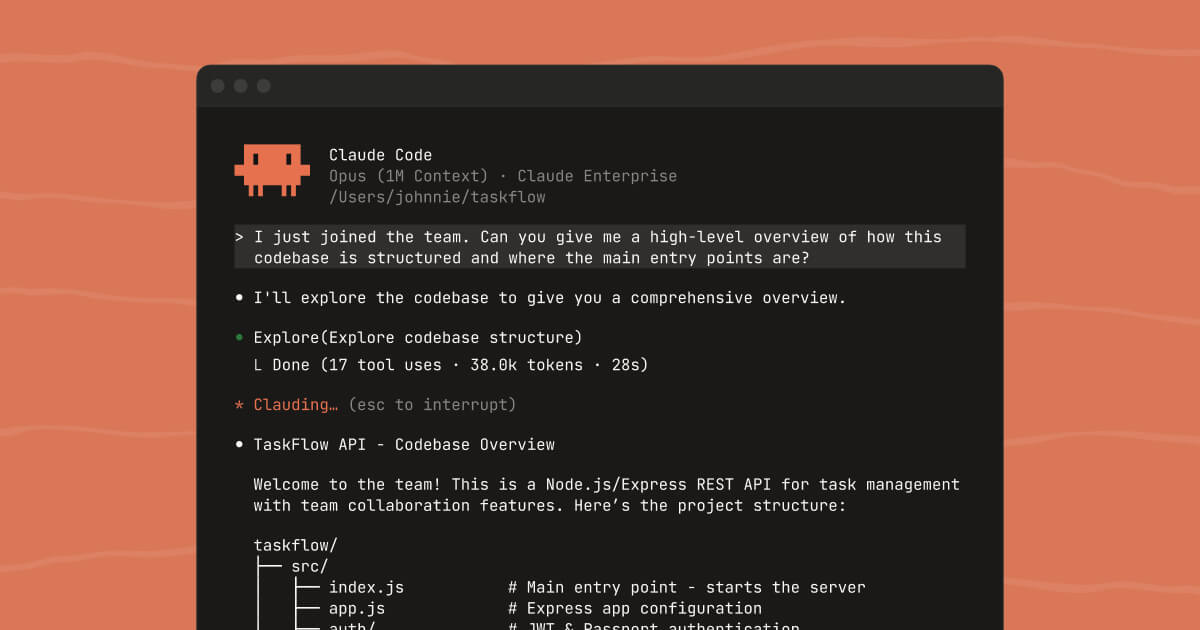

Setup / Usage Guide

Installation steps, usage guidance, and common notes are maintained here.

  1. Open OpenCode from the official site and start with one bounded coding task in a real project. A real repository is the right place to judge a coding agent.
  2. Let it inspect the project context before expecting useful edits. Context gathering is part of the product's value.
  3. Use it on a task that touches more than one file or requires terminal awareness. This is where a coding agent should differentiate itself from plain autocomplete.
  4. Read the proposed changes carefully before applying them. Open source or not, AI-generated code still needs engineering review.
  5. Check whether the tool helps explain the codebase as well as edit it. Good context handling matters as much as generation speed.
  6. Run tests or validation after any nontrivial change. Coding agents are only useful when their output survives verification.
  7. Compare the experience with your normal mix of editor, terminal, and separate AI chat windows. Reduced friction is one of the main benefits to look for.
  8. Keep OpenCode if it reliably helps with real repository tasks while still leaving you confident in what changed and why. That is the strongest reason to adopt it.

Related Software

Keep exploring similar software and related tools.